Have you ever gone into a grocery store for just a few items and walked out with a cart full of things you didn’t plan to buy? You’re not alone. Supermarkets are carefully designed to influence your behavior—and your spending. From product placement to store layout and even background music, grocery psychology plays a major role in how much you spend.
Understanding these tactics can help you become a more mindful shopper and keep your grocery bill in check.
The Layout: Why the Essentials Are in the Back
Staples like milk, eggs, and bread are usually placed at the very back of the store. This forces you to walk past tempting displays, snack aisles, and promotional endcaps on the way. The more time you spend in the store, the more likely you are to make impulse purchases.
Strategy: Make a detailed shopping list and stick to it. If possible, use your store’s app—like Kroger or Albertsons—to locate items in advance and avoid unnecessary detours.
Endcaps: The Illusion of a Deal
End-of-aisle displays are prime real estate for grocers. They often feature products that look like they’re on sale, but sometimes they’re simply being promoted by the brand. Research from the Food Marketing Institute shows that endcap items can increase sales by up to 30%, even when the price is unchanged.
Strategy: Compare unit prices before grabbing items from endcaps. Better deals are often found in the aisle itself.
Music and Lighting: Shopping in a Mood
Many stores play slow, calming music to encourage you to linger—and spend. Bright, warm lighting in fresh sections (like produce or bakery areas) is designed to make food look more appealing.
Strategy: Shop with a timer or during less busy hours when you’re more focused and less likely to be influenced by ambiance.
Shelf Placement: Eye-Level = High Margin
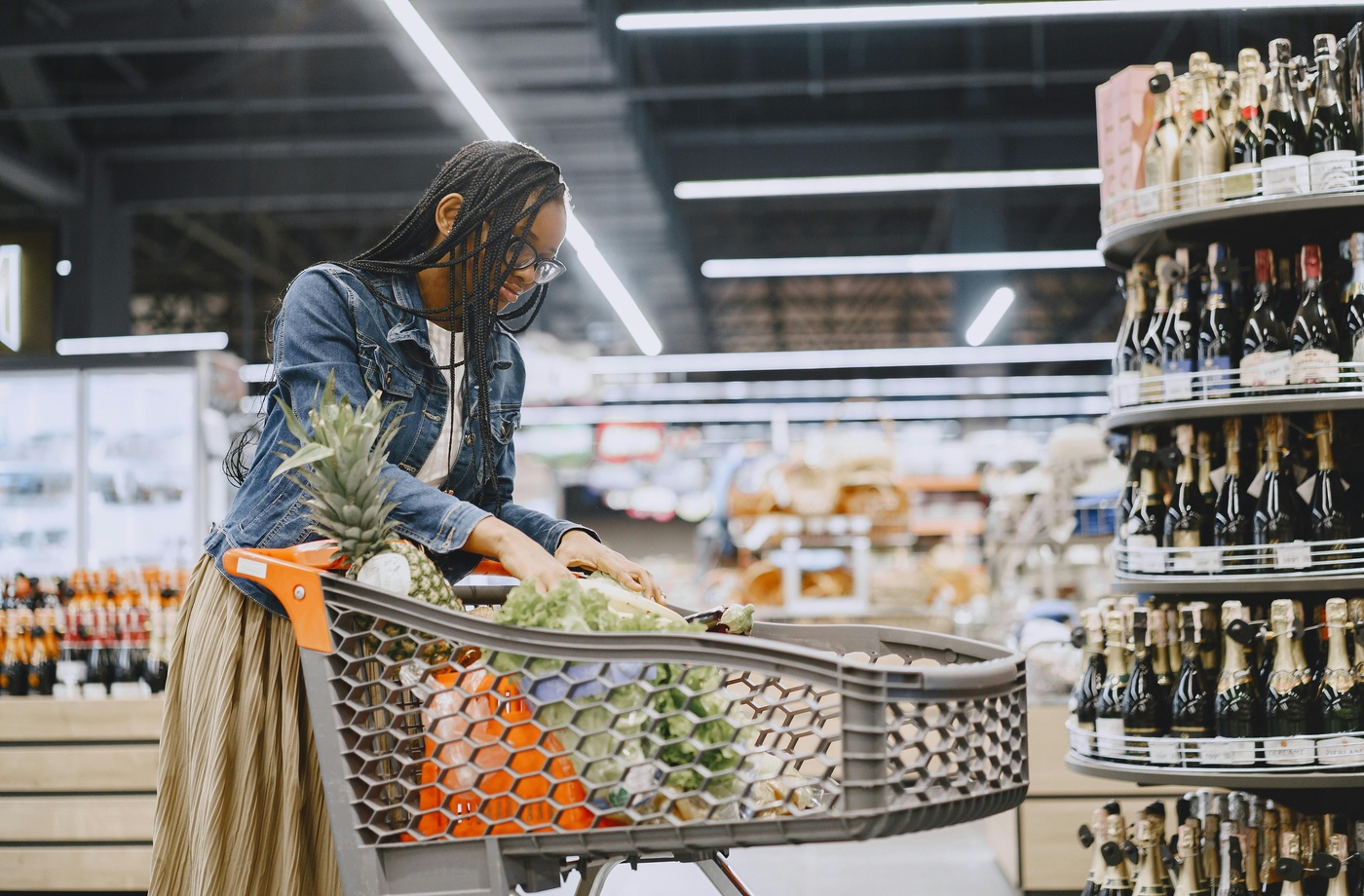
Brands pay for premium shelf space. Items placed at eye level tend to be more expensive or higher-margin products. Store-brand or bulk-sized items are often placed lower or higher on the shelf.
Strategy: Always scan the top and bottom shelves before making a selection. You might find the same product for significantly less.
Cart Size and Layout: Bigger Cart, Bigger Bill
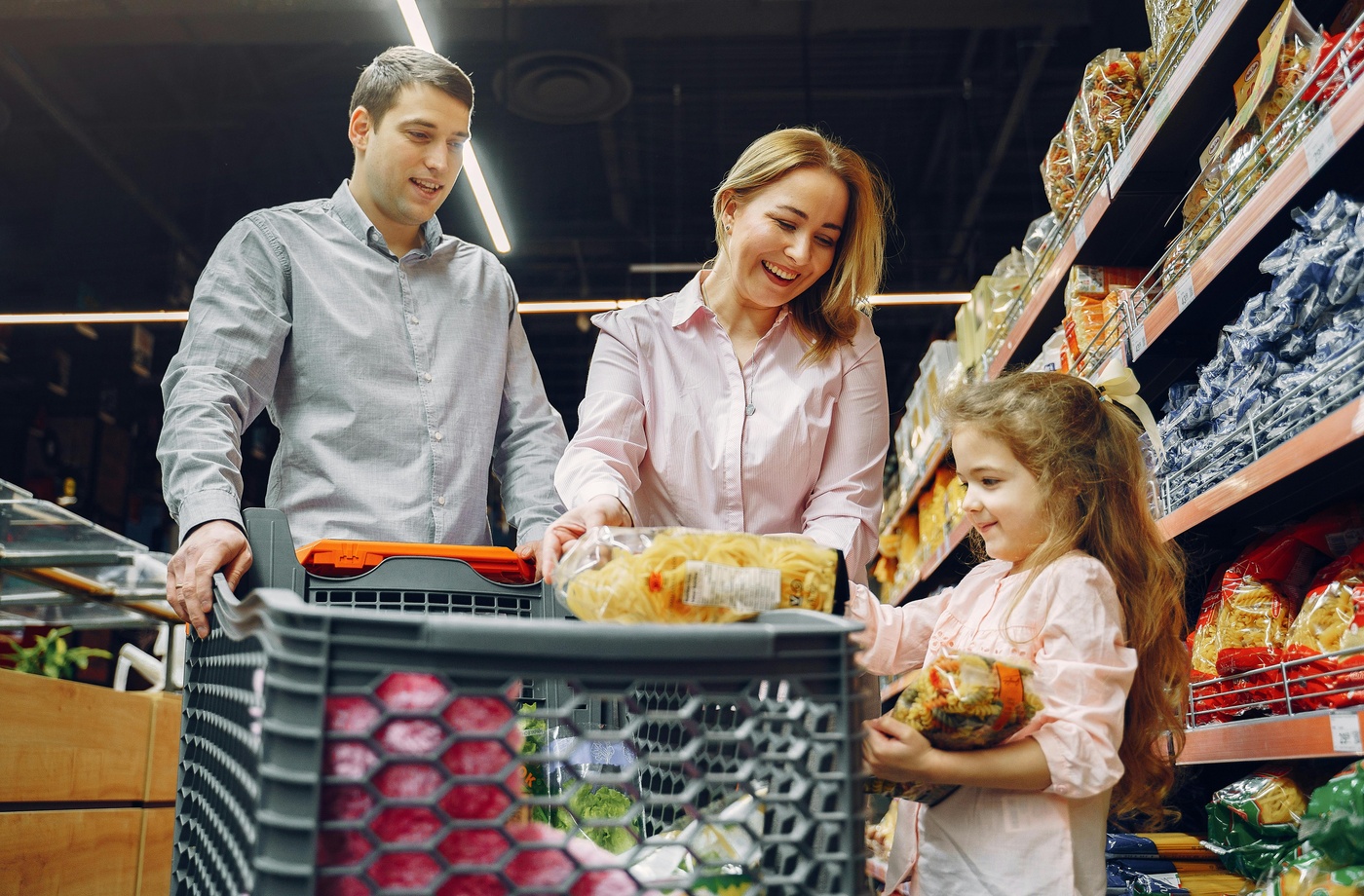
Grocery carts have nearly doubled in size since the 1970s. Larger carts make smaller purchases feel like not enough. Some stores even use basket dividers to separate “planned” items from “extras,” subtly encouraging more spontaneous additions.
Strategy: Use a handbasket or small cart if you’re shopping for just a few items. It limits your space—and your temptation.
Samples and Freebies: Triggering Unplanned Buys
Sampling areas are designed to make you stop, taste, and feel obligated to buy. According to research published in the Journal of Retailing, free samples increase purchase likelihood by up to 25%.
Strategy: Enjoy samples if you like—but only buy if it fits your budget and grocery plan.
Fresh First, Packaged Last
Most stores start with fresh produce and bakery sections. This creates a “health halo” effect, where shoppers feel they’ve made good choices early on and are more likely to splurge later in the trip.
Strategy: Reverse your shopping path. Start at the back and work forward, or shop with a prepared meal plan that limits impulse buys.
Final Tip: Don’t Shop Hungry
One of the oldest tricks in the book still holds up.
Strategy: Eat a small snack before shopping and bring a list to stay focused.
Conclusion
Grocery stores are built to get you to spend—but with a few strategic habits, you can shop smarter and save more. Awareness is your best defense. The next time you head down the aisle, remember: a thoughtful shopper beats clever marketing every time.