If you’ve ever felt overwhelmed walking into a grocery store, you’re not alone. The average supermarket carries over 30,000 products, and many are designed to catch your attention and increase spending. But there’s a simple, time-tested strategy to cut through the noise and stay on budget—shop the perimeter.
This technique doesn’t just help you save money—it can also lead to healthier, less processed meals. Here’s how to do it right and why it works.
What Does “Shopping the Perimeter” Mean?
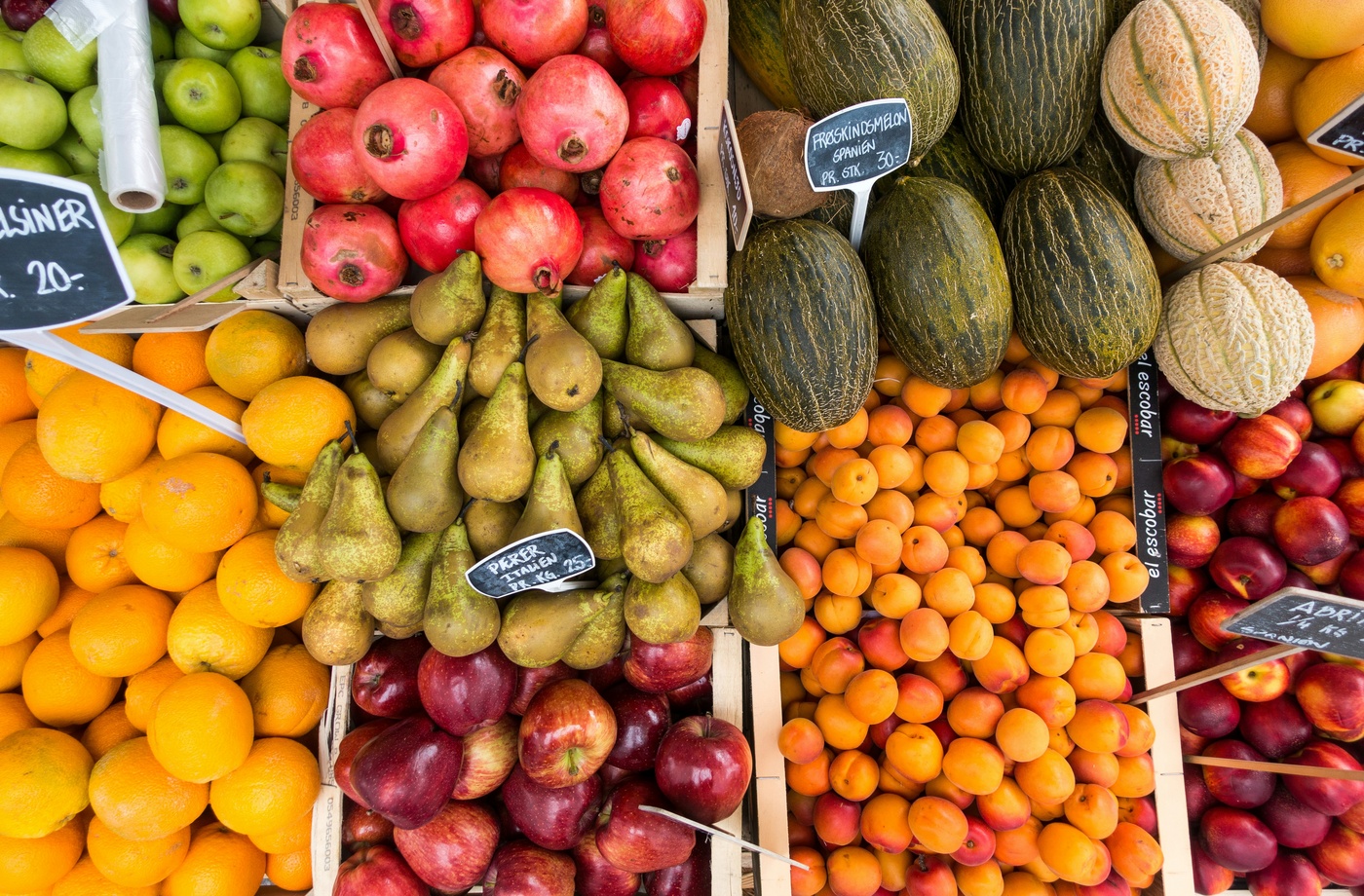
In most grocery stores, the outer edges—or perimeter—are where you’ll find fresh essentials:
- Produce
- Dairy
- Meat and seafood
- Bread and baked goods (at some locations)
The center aisles are where processed snacks, sugary cereals, packaged meals, and high-markup convenience items are typically placed. These are often more expensive per unit and offer less nutritional value.
Why It Helps You Save Money
Shopping the perimeter encourages you to focus on whole foods, which can be more filling, nutrient-dense, and versatile. When planned right, meals made from perimeter ingredients cost less per serving than those built from boxed or frozen items.
Here’s why this strategy saves:
- Fresh produce is often priced by weight or unit—easier to portion for multiple meals.
- Protein sources like whole chickens or ground turkey are more affordable than frozen entrees.
- Bulk produce and meat can be prepped and frozen for later use.
A 2023 study from the Center for Science in the Public Interest highlighted that families who cook at home using fresh ingredients spend up to 30% less on average than those relying heavily on processed or pre-prepared meals.
How to Make the Most of the Perimeter Strategy
- Start with a Meal Plan
Build a list around basic ingredients like vegetables, lean proteins, eggs, and yogurt. If you’re planning stir-fries, salads, soups, or sheet-pan meals, the perimeter offers everything you need.
- Stick to the List
Grocery stores are designed to draw you into center aisles with colorful packaging and eye-level product placement. Staying focused on the edges helps reduce impulse buys.
- Buy Store Brands When Possible
Items like milk, cheese, and eggs often have store-brand equivalents with the same quality at a lower price. Chains like Kroger, Publix, and Albertsons stock affordable private-label options.
- Shop Sales but Don’t Overbuy
Weekly flyers often feature perimeter items like meat and produce. Buy extra only if you have a plan to freeze or use it.
- Visit Center Aisles Intentionally
You’ll still need staples like rice, canned beans, or pasta—just head directly to those shelves instead of browsing.
Make It Work for You
Shopping the perimeter isn’t a hard rule—it’s a framework. The idea is to emphasize fresh, whole ingredients while avoiding the traps of pre-packaged, high-margin products. It’s ideal for meal prepping, clean eating, and anyone trying to get more value from every grocery trip.
Want to save even more? Pair this strategy with digital tools and loyalty programs that help you track pricing and build a smarter grocery plan. Store apps, meal planning sites like Budget Bytes, and local circulars can help reinforce healthy habits without breaking your budget.