Batch cooking is one of the most effective ways to save time, reduce food waste, and keep your grocery budget under control. But if you’re new to it, it can feel overwhelming—especially when you’re not sure how much to cook, how to store meals, or what ingredients to buy in bulk.
This beginner-friendly guide breaks down how to batch cook efficiently, so you can spend less time in the kitchen and more time enjoying meals that are ready when you are.
What Is Batch Cooking?
Batch cooking is the process of preparing large quantities of food at once, then portioning and storing meals to eat over several days (or weeks). It’s a core strategy for:
- Busy families who want quick weeknight dinners
- Meal preppers looking to stay on track with health goals
- Budget-conscious shoppers who want to avoid food waste
It’s also ideal for reducing reliance on takeout or expensive ready-made meals.
Step 1: Plan Your Menu Around Overlapping Ingredients
Start with 3–4 recipes that use similar base ingredients. For example:
- Ground turkey can be used in chili, tacos, and stuffed peppers
- Roasted vegetables can be added to grain bowls, pastas, and omelets
- Cooked rice or quinoa makes a great foundation for stir-fries, casseroles, and burrito bowls
This approach lets you buy in bulk and reduce excess produce or meat that might otherwise spoil.
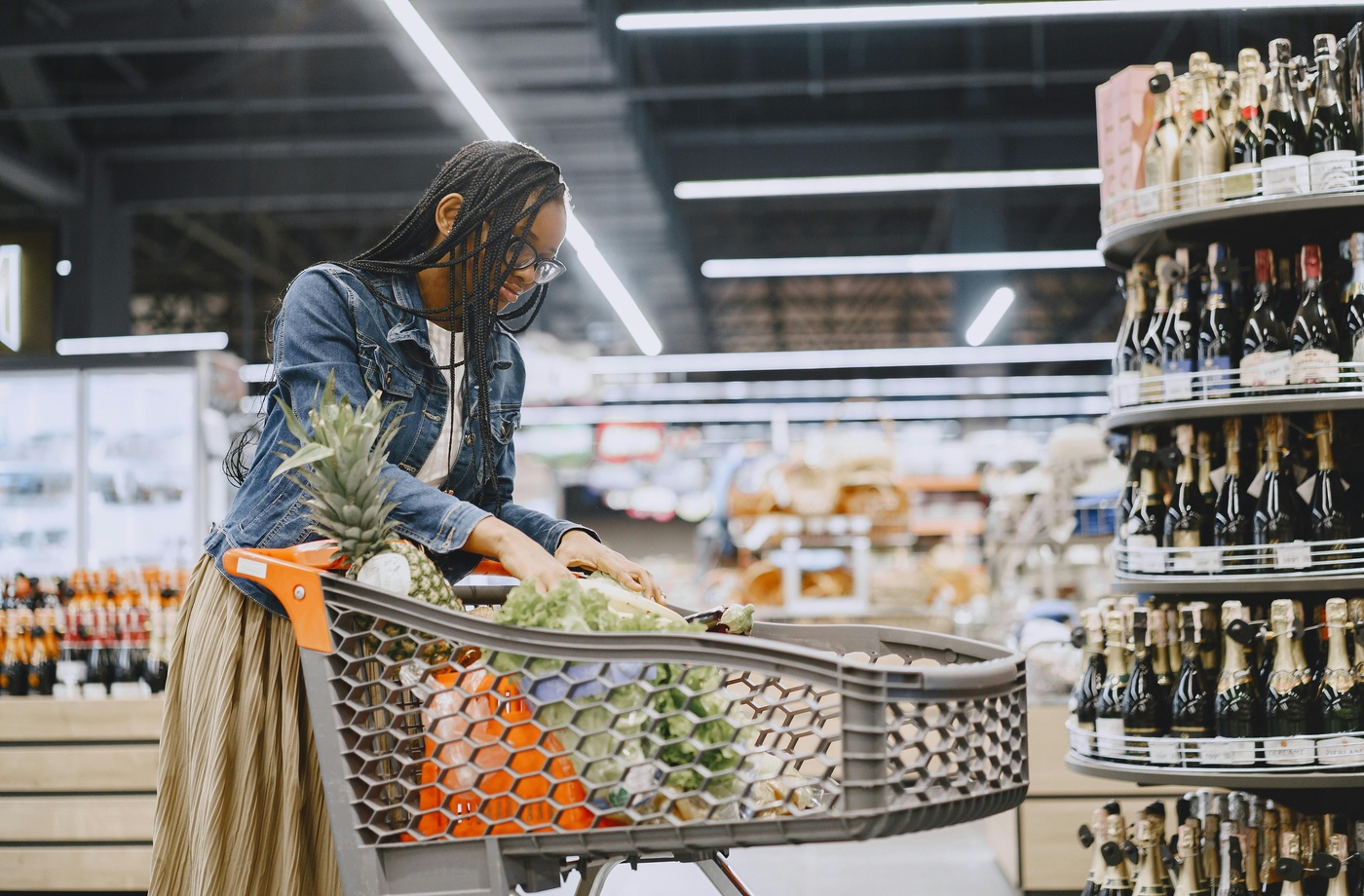
Step 2: Shop Strategically with a Batch-Friendly Grocery List
Focus on ingredients that are versatile, affordable, and store well:
- Canned beans, tomatoes, and broth
- Whole grains like brown rice, oats, and pasta
- Root vegetables (carrots, onions, potatoes)
- Frozen fruits and vegetables
- Large protein packs (chicken thighs, ground beef, tofu)
To avoid overspending, build your grocery list around your local store’s weekly circular or digital app. Stores like Kroger and Albertsons offer loyalty-based pricing and digital coupons through their apps.
Step 3: Use Storage Wisely
Invest in quality, reusable containers that are freezer-safe and microwave-friendly. Label meals with names and dates using freezer-safe tape or masking tape and a permanent marker.
For freshness:
- Refrigerate meals you’ll eat within 4 days
- Freeze meals for future weeks
- Portion snacks, lunches, and breakfasts for grab-and-go convenience
The USDA FoodKeeper app is a helpful resource to check how long different foods last in the fridge or freezer.
Step 4: Avoid Waste with Smart Leftover Strategies
Batch cooking should help you cut waste, not create more. Here are a few tips:
- Turn leftover roasted veggies into frittatas or wraps
- Use bones and scraps to make homemade broth
- Freeze chopped herbs in olive oil using an ice cube tray
Planning one “clean out the fridge” meal per week helps make use of odd portions.
Step 5: Keep Meals Interesting
Avoid meal fatigue by using sauces, seasonings, or dressings to transform a base meal. A simple grain bowl can become a Tex-Mex dish one day and a Mediterranean salad the next with a quick flavor switch.
If you want inspiration, blogs like Budget Bytes and The Kitchn offer meal prep ideas suited for every dietary need and budget.
Final Thoughts
Batch cooking doesn’t require a huge freezer or hours of free time—it just requires a little upfront planning. With a few base ingredients and a solid game plan, you can simplify your weekly routine, cut food waste, and stick to your grocery budget without sacrificing flavor or variety.