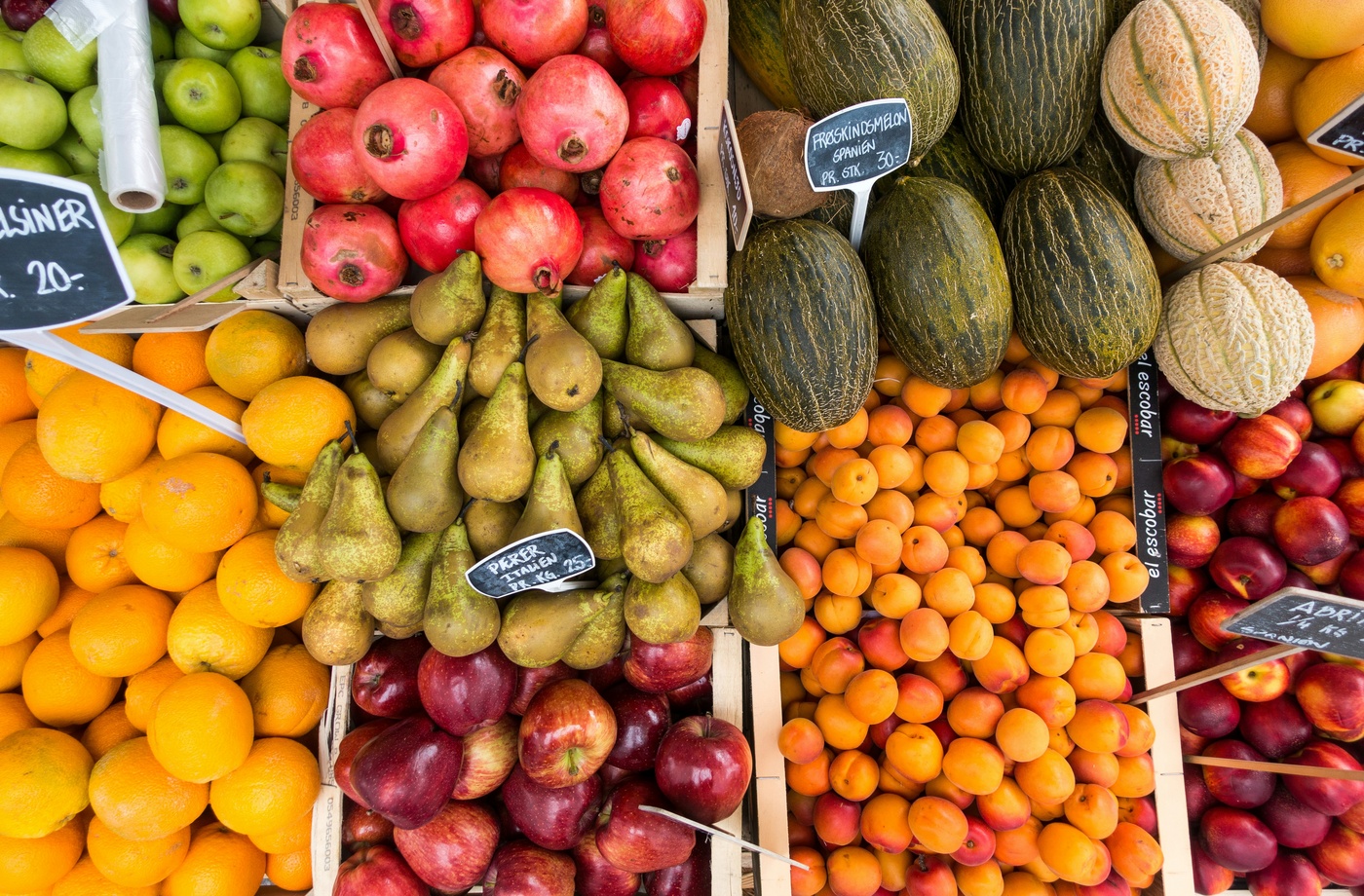
One of the simplest ways to stretch your grocery budget is by buying produce that’s in season. Fruits and vegetables that are at their peak not only taste better but often cost significantly less due to local abundance and reduced shipping costs. Whether you shop at your neighborhood grocery store or a farmers market, knowing what’s in season can make a noticeable difference in your spending.
Here’s why seasonal shopping works—and what to add to your cart this month.
Why In-Season Produce Costs Less
When a fruit or vegetable is in season locally, it’s more plentiful and easier to harvest. That means lower prices from farmers and suppliers, which are passed down to stores and consumers. Out-of-season produce, on the other hand, must often be imported from other regions or grown in energy-intensive greenhouses—driving up the price.
According to the USDA, eating seasonally can help reduce food miles, improve nutritional quality, and support local agriculture.
June’s In-Season Produce Picks
June is a peak month for fresh, affordable produce. Here’s what to look for:
- Berries (strawberries, blueberries, raspberries): Sweet, antioxidant-rich, and often on sale. Great for freezing too.
- Zucchini and Yellow Squash: Versatile for roasting, grilling, or spiralizing into “zoodles.”
- Tomatoes: Flavorful and affordable—perfect for salads, sauces, or sandwiches.
- Cucumbers: Crisp and hydrating, great in summer salads or pickled.
- Bell Peppers: Add crunch and color to meals. Look for local varieties for the best deals.
- Leafy Greens (spinach, lettuce, kale): Fresh and less bitter when harvested in early summer.
- Cherries: Seasonal for a short time—watch for sales or pick-your-own opportunities.
To see a full list tailored to your state, visit the Seasonal Food Guide.
Tips for Buying In-Season on a Budget
- Shop Weekly Flyers: Check store apps like Kroger or Albertsons for fresh produce specials. These often highlight in-season deals.
- Visit Farmers Markets Late in the Day: Vendors may offer bulk or end-of-day discounts.
- Buy in Bulk and Preserve: Freeze berries or blanch and freeze greens for smoothies, stir-fries, or soups later on.
- Try Lesser-Known Varieties: Heirloom tomatoes or specialty greens can be cheaper at local markets than national chain stores.
- Ask What’s Local: Stores often label produce by region—choose nearby farms to get peak freshness at the lowest cost.
Beyond the Grocery Store: Consider a CSA
A Community Supported Agriculture (CSA) subscription delivers in-season produce straight from a local farm. It supports sustainable farming while helping you eat seasonally without much effort. To find a CSA near you, check out LocalHarvest.org.
The Bottom Line
Seasonal produce is better for your wallet, your taste buds, and the environment. By aligning your grocery list with nature’s calendar, you’ll enjoy fresher food and save money—without sacrificing nutrition or flavor.